Paris · Food Neighborhoods
The Hidden Food Side of Saint-Ouen Flea Market
Explore the food culture around Saint-Ouen flea market, from tourist-trap warnings to classic bistros, antique dealers, pastis, and manouche jazz.
Jermie Borjn
May 27, 2026 · Updated May 28, 2026 · 8 min read
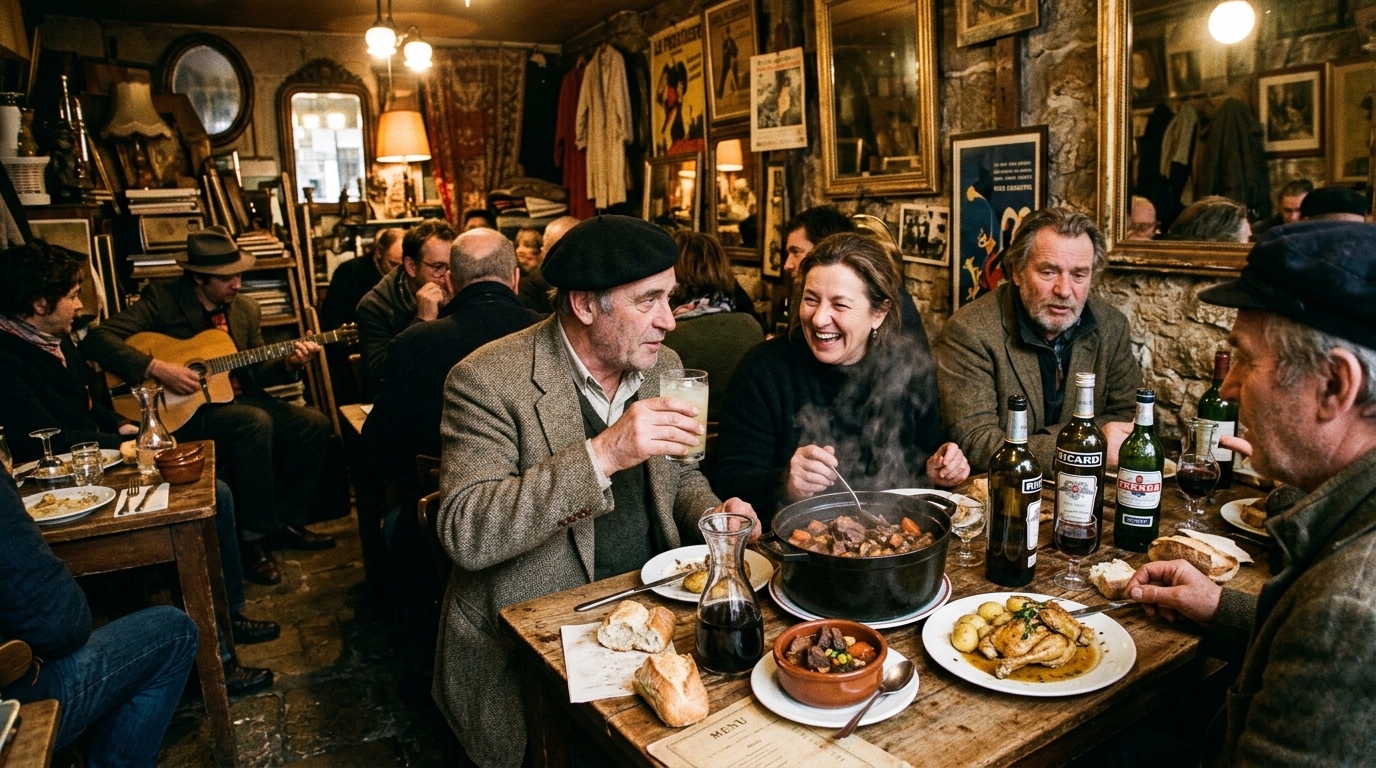
Everyone says they go to the Saint-Ouen flea market for objects: vintage lamps, old mirrors, mid-century chairs, Chanel bags with complicated histories, posters, silverware, and the kind of furniture that makes you wonder if your apartment is too small or your imagination is. But the secret of Saint-Ouen is not only in the stalls. It is in the plates carried through narrow rooms, the steam rising from a pot of boeuf bourguignon, the glass of pastis at noon, and the guitar line drifting from a corner table like the market has briefly remembered its own soundtrack.
Les Puces de Saint-Ouen can feel overwhelming at first. It is technically just outside Paris, but emotionally it belongs to the city’s appetite for memory. The danger is stopping too soon. Around the entrances and main approaches, you will find plenty of places designed for tired tourists who want a seat more than a meal. Some are fine. Many are forgettable. The better food experience begins when you push deeper, away from the most obvious signs, and let the market become a neighborhood rather than a shopping checklist.
Do not eat at the first place you see
This is the first rule. The entrance to any famous market is where convenience becomes expensive. Menus get translated into too many languages, plates become generic, and the atmosphere starts to feel like a waiting room for people who bought nothing. Walk first. Browse the alleys. Let your eyes adjust to the antiques, the patched leather, the old frames, the dealers smoking near doorways. Saint-Ouen rewards the visitor who resists immediate hunger.
The best lunch around the flea market should feel as if it existed before your itinerary. You want a room where tables are close enough that conversations overlap, where the staff moves quickly but not theatrically, where regulars appear to have personal relationships with both the waiter and the bottle behind the bar. A classic name often mentioned in this world is La Chope des Puces, famous for its connection to manouche jazz and flea-market culture. Whether you land there or in a similar small bistro, look for the same ingredients: warmth, music, and food that feeds workers as well as visitors.
The sound of Django in the back room
Saint-Ouen has a musical ghost, and his name is Django Reinhardt. The great guitarist helped define gypsy jazz, or jazz manouche, and the style still feels at home around the flea market: quick fingers, swinging rhythm, a little melancholy, a little swagger. When a guitarist sits in the corner and the room keeps eating instead of turning silent, you are in the right kind of place. The music is not a show pasted onto lunch. It is part of the room’s weather.
This matters because the food here is not trying to be fashionable. It is French soul food in the old working sense: dishes that can sit in heat, deepen with time, and make sense after a cold morning of walking. Boeuf bourguignon, if it appears, should arrive dark and glossy, the beef soft enough to surrender under a fork. Chicken cooked in wine should smell like a kitchen that started hours before you arrived. Potatoes, bread, sauce, a glass of red, maybe a green salad if you want to pretend balance is the goal.
Where antique dealers eat
The magic of a Saint-Ouen lunch is the feeling that time has slowed but commerce has not stopped. Around you, dealers compare notes, couples examine purchases, someone drinks pastis with the seriousness of a ritual, and a waiter squeezes between chairs with plates held high. It can feel theatrical, but not because anyone is performing for tourists. It is theatrical because old markets create their own stage. The props happen to be real: chipped glasses, brass lamps, framed prints, guitars, stew.
Pastis at lunch is not required, but it fits the mood. The anise scent opens the room, especially on a gray day. Watch how slowly some people drink it. This is not a cocktail bar performance. It is a pause between negotiations, a way for the market to breathe. If you order one, do it because you want the rhythm, not because you are collecting clichés.
At Saint-Ouen, lunch is the antique you can actually afford: warm, imperfect, and full of other people’s stories.
Jermie Borjn
How to turn the market into a food walk
Arrive hungry but not desperate. Spend the first hour walking through the different markets and passages. Notice where the crowds thin and the rooms become stranger. Then choose lunch based on atmosphere as much as menu. A crowded bistro with dealers at the tables is usually a better sign than a glossy terrace with laminated promises. After lunch, return to browsing. The market feels different after a real meal. You stop seeing only prices and start noticing textures: wood grain, leather, dust, brass, the smell of wine sauce still on your coat.
What to order when you are unsure
If the menu feels old-fashioned, lean into it. This is not the place to chase novelty. Choose the dish that sounds like it has been simmering since morning: beef in red wine, roast chicken, sausage with potatoes, onion soup if it looks house-made, or a daily special written on a chalkboard. A good flea-market bistro should make you feel restored rather than impressed. The food belongs to the rhythm of dealers, porters, collectors, and browsers who need warmth and calories before returning to the maze.
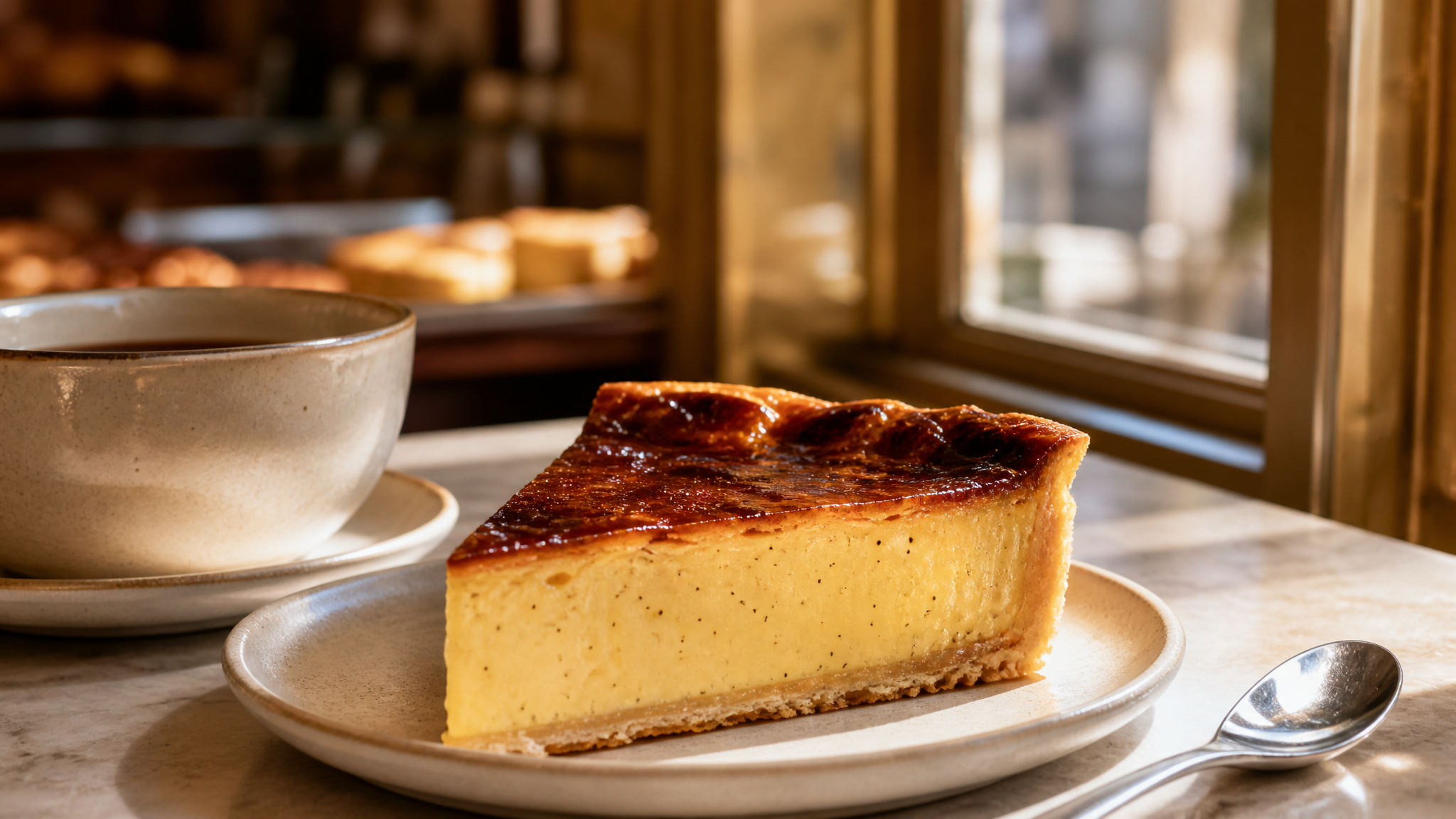
Dessert can be equally simple: tarte tatin, crème caramel, chocolate mousse, or whatever the waiter says without enthusiasm because everyone already knows it is good. That lack of performance is part of the charm. In Saint-Ouen, the most memorable meals often arrive without ceremony, between a stack of old prints and a table of people negotiating the price of a lamp.
- Avoid choosing the first restaurant near the entrance.
- Look for small bistros where dealers and locals are eating.
- La Chope des Puces is a classic reference point for the market’s jazz culture.
- Order slow French comfort food if available: stew, roast chicken, wine sauces, potatoes.
- Leave time after lunch; Saint-Ouen is better when you stop rushing.
Saint-Ouen is often sold as a treasure hunt, but the best treasure may be the hour when you stop hunting. Sit shoulder to shoulder in a warm room. Listen to a guitar line curl around the tables. Tear bread into sauce. Watch antique dealers drink pastis like the day is still young. Paris is full of famous meals, but this one has a particular charm: it feels found, not booked.
FAQ
Questions travelers ask
- Is Saint-Ouen flea market good for food?
- Yes, if you avoid the most obvious tourist traps and look for classic bistros where dealers and regulars eat.
- What is La Chope des Puces?
- La Chope des Puces is a classic Saint-Ouen address associated with flea-market culture and manouche jazz.
- What should I eat near Saint-Ouen flea market?
- Look for French comfort dishes such as boeuf bourguignon, roast chicken in wine, potatoes, bread, and simple bistro plates.
- When should I plan lunch at Saint-Ouen?
- Browse first, then stop for lunch after you have moved beyond the entrance area and found the market’s quieter, more atmospheric corners.